|
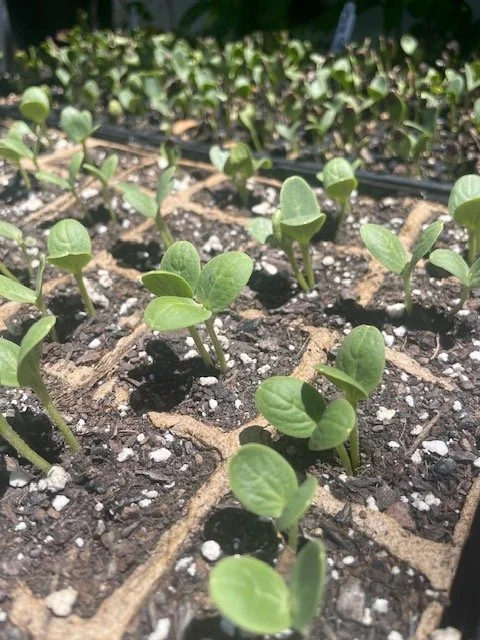
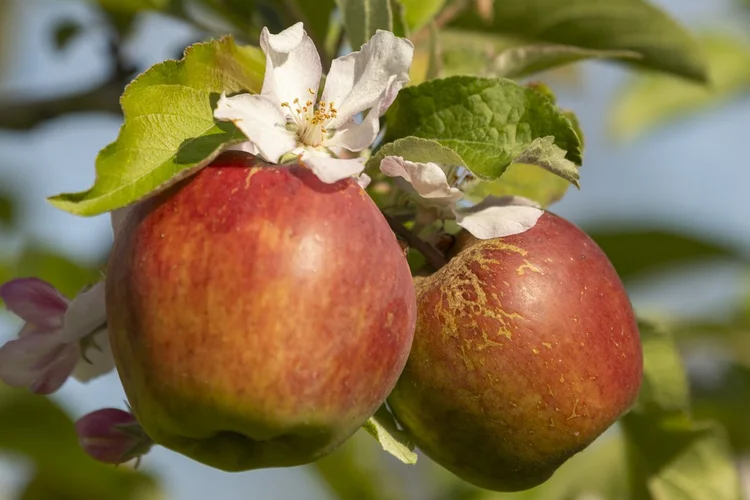
Dear Friend, Recently my wife and I visited a local rehabilitation center for sex-trafficked minors. During this tour we were shown the dormitory. The young women were not in their rooms at the time: they were in therapy sessions or hanging out in the common area. And looking into one room, I was ambushed by a disquieting awe: someone’s child now lived in that room, with the pictures on the dresser, with the carefully made bed, with the pink and blue stuffies. And it occurred to me that just as these children receive good therapy to heal, they should receive good food to heal—the very best kind of food. Of course! It is eminently sensible, eminently sane, that these young women, who have lived on the rasping edge of the margin, who’ve endured sufferings so grisly they render one anxious to even hear about, should be fed well. Laura and I started this nonprofit farm—which gives away for free its whole harvest (fresh, farmers-market-quality produce that is sustainably grown)—because of these young women and other young people in painful straits. Much of the food given to folks in need, as you perhaps know, is high in sodium, sugar, and harmful chemicals. Often it is “calorically dense and nutritionally thin.” Or it is leftover food—food past its prime. That people in need of healing often receive such food is a rather cruel irony. We know through common sense and extensive research that poor nutrition contributes to poor health: mental health and physical health, states of being which are not twain. Here are two statements that we encourage you to linger over to let their implications billow: 1). According to Tufts University, “about 85% of all healthcare spending is related to the management of diet-related chronic diseases.” 2). According to Harvard University, “multiple studies have found a correlation between a diet high in refined sugars and impaired brain function—and… a worsening of symptoms of mood disorders, such as depression….Studies have compared ‘traditional’ diets, like the Mediterranean diet and the traditional Japanese diet, to a typical ‘Western’ diet and have shown that the risk of depression is 25% to 35% lower in those who eat a traditional diet.” Remarkable, no? In other words, if (as Hippocrates said) food should be our medicine, then shouldn’t those most in need eat the best food available? At Whole Harvest Farm, we believe the answer to that question is an enthusiastic and urgent yes. Soon Laura and I will deliver the whole harvest (not leftovers) each week to the young women at the rehabilitation center and to other nonprofits in Santa Barbara County that serve children in need. This summer these young people will receive fresh tomatoes, eggplants, lettuces, melons, squash, zucchinis, apples, plums, and cut flowers like zinnias and statice. Gandhi loved to say that to sacrifice is to “make sacred.” Today we ask you to “make sacred” by donating to Whole Harvest Farm. Our work will not happen without your sacrifice. Donations pay for increasingly expensive irrigation materials and organic fertilizer; increasingly expensive gas for transportation; and our work planting, irrigating, weeding, harvesting, bundling, and delivering. Your donations will help us get fresh, tasty, nutritious produce to young people on their journey to healing. Click on this link should you care to help us: Whole Harvest Farm In gratitude, Teddy and Laura Macker
|